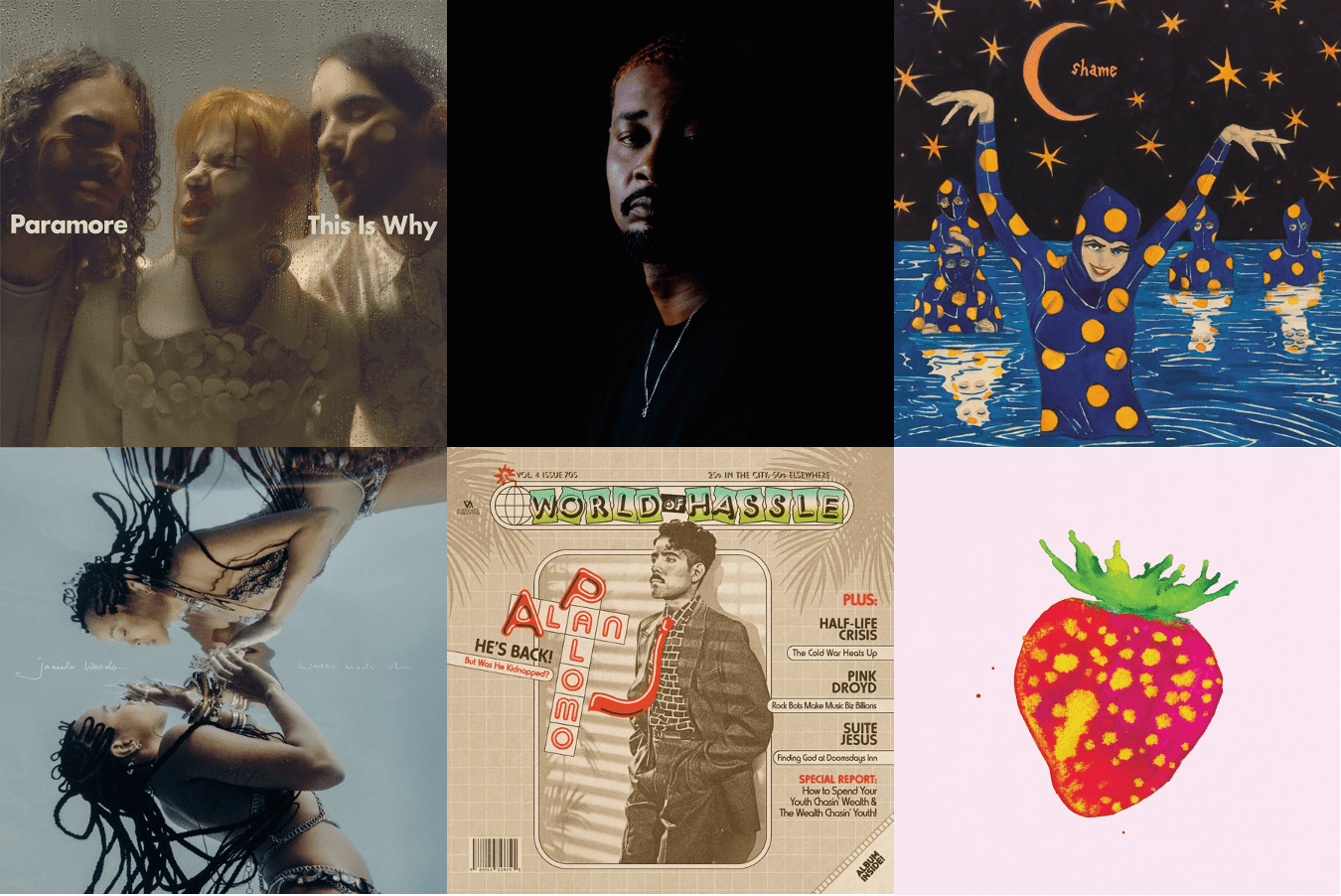
Foreword
I find it hard and meaningless to summarize a year of music in which a variety of artists from across the country or globe with a variety of motivations for making music record songs in a variety of different ways to a variety of different outcomes. The coronavirus pandemic which affected every living person on the globe seemed to have only a minor affect on the output of music I listened to in 2021 and 2022. I feel like I’m starting to refine my tastes a little more every year, and this list is a reflection of that. As always, below is a Spotify playlist of my top albums and I hope you find something you like!
Nick’s Top 50 Albums of 2023 – Spotify Playlist
The List
50-41

50. Feist – Multitudes – Lingering • Contemplative • Singer-Songwriter
49. Curt Syndor – Air Ride Equipped – Bluesy • Colorful • Rock
48. Anohni and The Johnsons – My Back Was a Bridge for You to Cross – Tearful • Soulful • Rock
47. PinkPantheress – Heaven Knows – Blissful • Light • Pop
46. Lonely Pirate Committee – Barn Angel – Emo • DIY • Rock
45. Fever Ray – Radical Romantics – Weirdo • Otherworldly • Electronic
44. McKinley Dixon – Beloved! Paradise! Jazz? – Poetic • Ancestral • Hip-Hop
43. Miguel Atwood Ferguson – Les Jardins Mystiques, Vol. 1 – Sprawling • Herbaceous • Jazz
42. Tkay Mdaiza – Sweet Justice – Immediate • Sexy • Pop
41. Cautious Clay – Karpeh – Familial • Celebratory • Jazz
40-31

40. King Krule – Space Heavy – Spacy • Heavy • Rock
39. SBTRKT – The Rat Road – Creative • Polished • Electronic
38. Yussef Dayes – Black Classical Music – Adventurous • Modern • Jazz
37. Oneohtrix Point Never – Again – Expansive • Manipulated • Experimental
36. Squid – O Monolith – Brusque • Rough • Anxiety Rock (Self-Described)
35. Genevieve Artadi – Forever, Forever – Eccentric • Jazzy • Art Pop
34. Ingri Høyland – Ode To Stone – Stoic • Twilit • Ambient
33. Danny Brown – Quaranta – Reflective • Downer • Hip-Hop
32. Armand Hammer – We Buy Diabetic Test Strips – Slick • Grimy • Hip-Hop
31. Stella Talpo – Medusa – Multitudinous • Risk-Tasking • Pop
30-21

30. Muva of Earth – Align with Nature’s Intelligence – Celestial • Hypnotic • Experimental Jazz
29. Oddisee – To What End – Feel-Good • Straightforward • Hip-Hop
28. Joshua Redman – Where Are We – Reverant • Distinctly American • Jazz
27. Blonde Redhead – Sit Down For Dinner – Shoegazy • Pensive • Rock
26. Knower – Knower Forever – Energetic • Silly • Jazz Pop
25. shame – Food for Worms – Surreal • Grungy • Rock
24. Jamila Woods – Water Made Us – Compassionate • Nuanced • R&B/Pop
23. Jpegmafia & Danny Brown – Scaring the Hoes – Raucous • Independent • Hip-Hop
22. Alabaster DePlume – Come With Fierce Grace – Sweet • Beautiful • Experimental Jazz
21. Fuensanta – Principio Del Fuego EP – Dramatic • Transformative • Experimental
20-11

20. Daniel Rossen and Christopher Bear – Past Lives OST – Open • Warm • Soundtrack
19. Model/Actriz – Dogsbody – Fearsome • Dance/Industrial • Post-Punk
18. Water From Your Eyes – Everyone’s Crushed – Crazed • Prickly • Rock
17. Maria BC – Spike Field – Ghostly • Cooing & Guitar • Experimental
16. Billy Woods, Kenny Segal – Maps – Nomadic • Unbothered • Hip-Hop
15. Alan Palomo – World of Hassle – Cheery • Clubby • Electropop
14. Helena Deland – Goodnight Summerland – Quiet • Acoustic • Folk
13. Rozi Plain – Prize – Cozy • Rosy • Rock
12. Caroline Rose – The Art of Forgetting – Pained • Glossy • Alt Rock
11. Corinne Bailey Rae – Black Rainbows – Diverse • Engaging • Multi-Genre
10-1

10. Sofia Grant – Extinction – Silky • Vocal-Forward • Jazz

The term “Neo-Soul” is used to classify a broad swath of music that generally has laid-back vibes, smooth keys, and sweet swooning vocals. What happens then if an artist makes structured pop songs but records with a jazz combo? Sofia Grant’s latest EP falls into the all-of-the-above category with the fantastic “Extinction.” Though only five songs and twenty-seven minutes long, it is one of my favorite projects of the year due to its supreme smoothness and easy replayability. Each of these five songs is crafted from the triple threat of talent that is Grant. Vocalist, Songwriter, and Pianist, centered in the Jazz tradition, her piano prowess actually takes a backseat to her singing and songwriting which feature front and center across the whole album, save for a short solo on “Circular Motion.” Grant takes environmental anxieties and puts them on display, but tempered with some respectively bright tunes. She wants use to “look Extinction in the eye” and really reckon with what that may look like for future generations. These questions are posed over smart progressions with Sofia’s voice leading the way, often with other Sofias providing soulful supplementation. Particularly on the closer “Storm,” this works fantastically, as the downward shifting progression creates a sense of unsteadiness ass if climate change is shifting the ground under your feet, The trumpet solos on this song are remarkable and emotional and the rhythm section throughout is solid. The compositions are modern but signal jazz fusion acts of the past. Extinction its a record for all ages to enjoy with a message for all to consider.
9. Sufjan Stevens – Javelin – Tender • Twinkly • Folk
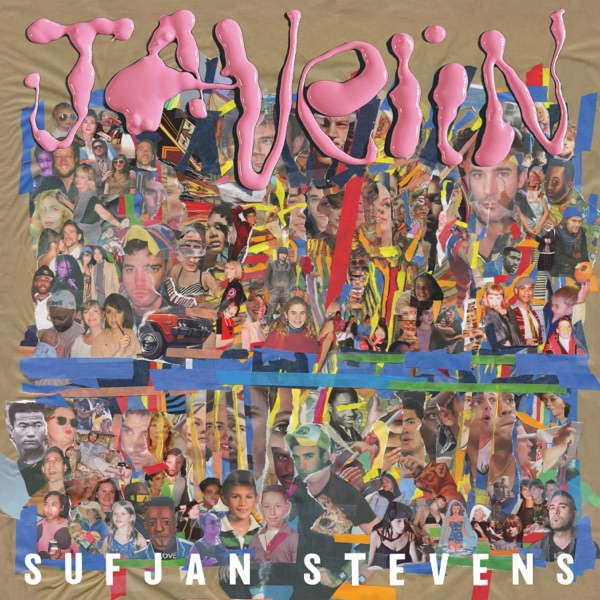
Javelin begins with a long, drawn breath. Then, a heartbreaking goodbye. “Goodbye, evergreen / You know I love you / But everything heaven sent / Must burn out in the end” Steady piano chords outline Sufjan’s first words like a procession, followed by a sweet pattern and the addition of supporting voices. Eventually, the pain he is holding in is too much to bear, the energy builds, and the world shatters. The electronic drums thunder in like metal clanking with faux-orchestra hits blaring like drills on the 1 and 3, leaving the listener in ecstasy and unease at once. The arrangement is sprawling and comprehensive. Its progression descends endlessly from one chord to the next, notably choosing some chord notes outside of the established F major scale and landing on a D major rather than the relative minor to really sell the swirling, displacing effect. Instead of relying on the standard Verse-Chorus model, Stevens expands these ideas into an extended instrumental at the tail of the song which include a large chorus and woodwinds reminiscent of the troubadour era. This general song structure will reoccur over the album, adding weight to each song and density to any repeated lyrics.
This album is dedicated to and written in the wake of the death of Sufjan’s partner which was publicly announced shortly after the album’s release. I find my writing inadequate to discuss much of the lyrical content here, so I will leave it to you to find the many articles and podcasts discussing the subject. “Will Anybody Ever Love Me” is a fantastic song about yearning, but in this circumstance I always think Sufjan means will anybody ever love me (as much as he did). In fact, the music often sounds optimistic or at least refrains from becoming elegiac. “Everything That Rises” seems inevitable, with its repeating bass note in the background playing the comforting tonic. The eighth note passages in the guitars keep everything moving to avoid stagnation. This pattern is continues in “Genuflecting Ghost,” which matches some textures found in earlier work, Carrie & Lowell.
The innovation in this album comes in the chorus of vocals provided by Hannah Cohen. At times these tunes sound wintry or Christmassy, especially with the additional recorders or synth pings that accompany the choir. It gets syrupy sometimes, but still retains an “artisan” or “indie” quality to it. This quality peeks out at the end of “My Red Little Fox.” Of course, the melodies are expertly crafted for maximum emotional reckoning. The whispery quality of Sufjan’s voice is even more whispery and weak on this record. On “Shit Talk,” Sufjan is on the verge of tears, and gets off his devotion to his partner, despite his mistakes or despite the fights he’s started. The odd-meter in this penultimate track mirrors the 5/4 meter in the second track. Despite this, this song does not sound regimented or uneven, it sounds natural and smooth as if it were any other ballad in standard meter. The album closes with more Sufjan-esque fingerpicking, complete with religious references and choral figures. Javelin is a record you could reach for in simpler times for its pleasant melodies and pretty guitars, or in harder times when you need to hear someone who has gone through it all.
8. Laurel Halo – Atlas – Dark • Electro-Acoustic • Ambient
Laurel Halo’s Atlas is a unique ambient experience in that it is at its best when the listener places it in the foreground rather than the background. Meditation by focusing on a detail rather than focusing on nothing. Halo leads a small group of musicians to realize dark, ominous, deep, electroacoustic sound sketches. Violins drone mercifully as bass sounds shift tectonically underneath. Sometimes, this sounds orchestral, like on “Sick Eros” where the strings swallow everything; the sound slowly sliding into a pit like the slow crawl of lava. The first few tracks lean thriller movie soundtrack or abstract horror film. At no point is the sound overwhelming, but there is no anchor for the listener to attach to for more than a moment, creating a sense of dread or unease at times.
“Belleville” is more piano focused and melody driven. It marks a shift from the droning style of the first half of the record to a tangible, recognizable sound. The destination is unclear, but you can make out pianos and even a human voice – Cody Bey, a vocalist and collaborator of Halo’s. “Sweat, Tears, or the Sea” features the washed-out piano again in a composition where jazz chords poke through a lake of processing. It sounds simultaneously spare and grand. The canyon we started with is still here, but the mood is inquisitive if not fully hopeful. Atlas is hard to pin down because of its scale and abstraction. At a distance the sound looks still like a pond with few ripples on the surface, but look more closely and you will see a whole ecosystem rippling with life and too many details to record. Pick out any lines and you will hear that it falls away and gives way to another. You can attach yourself to a given sound, but it feels like an exercise. The pleasure is found in the surrendering of the senses. On “Reading the Air,” the synths begin a deep ostinato, weaving a blanket to tuck yourself into. When the many strings arrive to deliver their story, the immersion has already begun, but how long ago is a mystery. “You Burn Me” fits into this web, but is also a great stand-alone work of minimalism.
Atlas is a masterwork in electroacoustic composition which at times feels fully analog and at times feels entirely electronic but in truth is rarely either. Its rich atmospheres could be played in the background of daily activities, but is more suited to accompany a spiritual activity than a mindless household task, say. It would be fair to call Atlas a work of minimalism, but from a small starting point grows an expansive world with an IMAX field of view and a spectral color palette.
7. Sam Wilkes – Driving – Nostalgic • Understated • Indie Rock

The newest effort from Sam Wilkes is a bit of an enigma. It’s part rock album, but it indulges aspects of jazz and ambient music, enough so that calling it just one of these genres feels unfair to the others. The pure green album cover reminds me of the blur of green you might see when driving through a particularly wooded section of a highway. There’s no destination visible on the horizon, but you can take comfort in the wall of pines that guide you to someplace.
Flutes twinkle, synths swell, and drums lift. A melody here would be an unnecessary force to a vehicle that already has sufficient inertia. Occasionally, a processed Sam chimes in on the mic, to add lyrics yes, but mostly to add another patch in the tapestry he creates. Standout track “Ag” shows where this album sounds best. A killer progression is supplemented by burgeoning strings and a shot of energy through the guitars. Percussion is mostly spare on the rock oriented cuts, just present enough to keep everything from stagnating. On “Hannah Song,” the guitars lead the way with some down-home riffing and open chords. Fans of Pinegrove take note. At times, DRIVING feels orchestral, at times it feels boundless, and at times it is quite reserved. A commonality is that you always feel like you could lower the windows and let the cool air rush in. “Own” is especially wistful. Sam lists Todd Rundgren as an influence, and you can hear the oddball nature mostly in the tones he chooses in this album.
The center of the record acts as an intermission. With “Knows” and “Conga,” you get to the point in the drive where you forget you are in the car and your mind begins to drift, where a single train of thought morphs into daydreams. On repeated listens I’ve begun to enjoy these ambient bits on equal footing as the more “substantial” ones. The musicality is maintained, even as the material strays far from the previous ideas.
The title track which closes the album is Wilkes’ indie rock version of a cypher. It’s a track built on three layers of picked guitar awash in reverb, plus Wilkes’ voice which has thus far been more condiment than main. Here, Wilkes sounds passionate and confessional. A surprising moment given the ephemerality of the previous material. Finally, the drive comes to an end and you wonder about the summer that could have been.
6. Amaarae – Fountain Baby – Seductive • Danceable • Afro-fusion
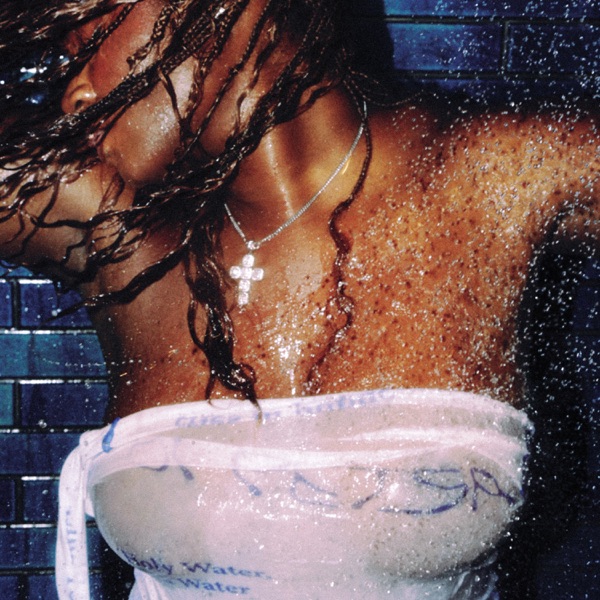
When I listen to music by myself while working or washing dishes, it is rare that the music moves me enough to devote my undivided attention to it. Fountain Baby roars and shakes me from my place. After a brief instrumental, “Angels In Tibet” begins and begins all at once. It’s part afrobeats, part hip-hop, and part theater. It’s not Broadway, no, but the opening three minutes transports you across the world and back in a whirlwind. Amaarae, who has roots in Accra and Brooklyn is showing not only versatility musically, but emotionally as well, like fire and ice. Fountain Baby is explicit, full of swag, and aware. Amaarae’s soprano is unique and distinctive on its own, but here she takes no prisoners. Executive producers KZ DidIt and Kyu Steed bring the relentless grooves at every moment. “Co-Star” is irresistible with a catchy hook supplemented by syncopated percs and harp backing. By the time you get to “Princess Going Digital”, a bop inspired by 00s R&B and hip-hop, the sexuality has been fully unleashed. This is more poignant when you consider that in her native Ghana, a recent anti-LGBTQ bill called the “Promotion of Proper Human Sexual Rights and Ghanaian Family Values Bill” threatens to criminalize LGBTQ people and their allies. This music could be outlawed in Ghana, but now it can be seen as a huge middle finger and statement against the bigotry in Parliament. In the face of this, Fountain Baby stops for nothing. “Wasted Eyes” is mesmerizing with its nod to Bollywood and its seductive, whispery vocals. Highlight “Counterfeit” is unstoppable with its steel drum tag and Amaarae’s no-f’s-given attitude. “Disguise” opens with the provocative line “I like my coffee with some head in the morning”. Amaarae’s pop prowess shines on tracks like these. She uses repetition within the line and of the line to create some really stick hooks.
The “down” moments really work as well, with the firsts section of “Sex, Violence, Suicide” being a refreshing drink of water between the spicy fare before and to come. She ends the track with a successful punk number reminiscent of Joan Jett. When compared with “F.T.L.” on SZAs 2022 hit album “S.O.S.”, Amaarae is more successful with incorporating this track into the narrative and themes of the album as a whole. The other low energy moments are very sensual; scenes for the dripping of wax and the aromas of citrus and scented oils. “Come Home to God” is another departure into rock. As a closer, it is not an obvious choice, but the guitar solo at the end is very evocative and it ends up being a fitting “finish.” Overall, Fountain Baby is a powerful exploration of sex and fame and brings in elements from music around the world to liberate herself and the listener. The impact comes both from fantastic, fun, well-designed beats, and Amaarae’s unflinching and powerful delivery.
5. Paramore – This Is Why – Groovy • Poppy • Alt Rock
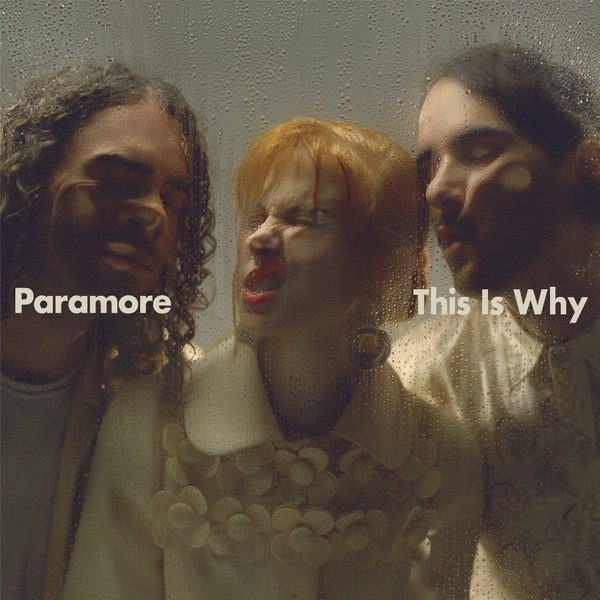
Paramore has never sounded more timeless than they do on “This is Why.” Maybe it is because they are drawing from numerous influences, like Talking Heads, Bloc Party, and Foals, to name a few. These compositions do feel like a departure from previous material in that they feel modern and nuanced. This follows if you have heard lead singer Hayley Williams’ most recent solo projects where the writing sounds refined and mature. Although Paramore’s new songs follow standard pop conventions, it is their most “rock” record since breakout Riot in 2007. It embraces the aesthetic of the 4-piece garage band with Williams’ trademark vocals in front and guitar sturdily behind. While their previous record, After Laughter, pulled from 80s pop and 2010s indie rock with a lighter, poppier pallet, This is Why has more of an attitude and is more unique to Paramore than previous releases. The main draw is that the songs and writing are just so well done. There are no throwaway licks, no boring Verse 2s, and no skips. In “Running Out Of Time,” the guitar and bass work perfectly together on a juicy syncopated riff. Williams follows with a flourish on the vocal fill, “she’s always running out of time.” (I wish I could write out the contour of the phrase here.) Hayley seems comfortable when switching to spoken word like on “C’est comme ça” and “The News.”
I have to talk about the lead single, the title track which leads off the album because it is expertly crafted and sublimely executed. I love the shout chorus which encourages everybody to join in, and the thunderous punch of the guitars while they do. These shouty moments during a chorus can very easily go cheesy and uncool, but here, it sounds definitive and fun, making it one of my top songs of the year. “Big Man, Little Dignity” is a nice break in the middle of the album and ends with a flute solo that I didn’t notice until my fourth listen. I’m getting Queens of the Stone Age from “You First” but I’m also getting classic Paramorisms. No, it’s not a return to their pop-punk days during the loudness wars, but the guitar punches at the end of “You Firsts” and the bass lines in the bridge of “Figure 8” sound like hallmarks of the band’s sound – not to mention some of Williams’ vocal tendencies. I could picture “Liar” and “Crave” on the tail end of their 2009 album “Brand New Eyes,” but here they sound realized in the current day, with clean mixing and subtle writing complete with vibraphone rings and pretty background vocal flourishes. It’s hard to compare Paramore records as they’ve come out of different eras and are definitely products of their times, including this most recent one; however, I predict this may have more longevity (except for their early megahits) due to its timeless sound and solid songwriting from top to bottom.
4. Underscores – Wallsocket – Wild • Angsty • Electronic Pop
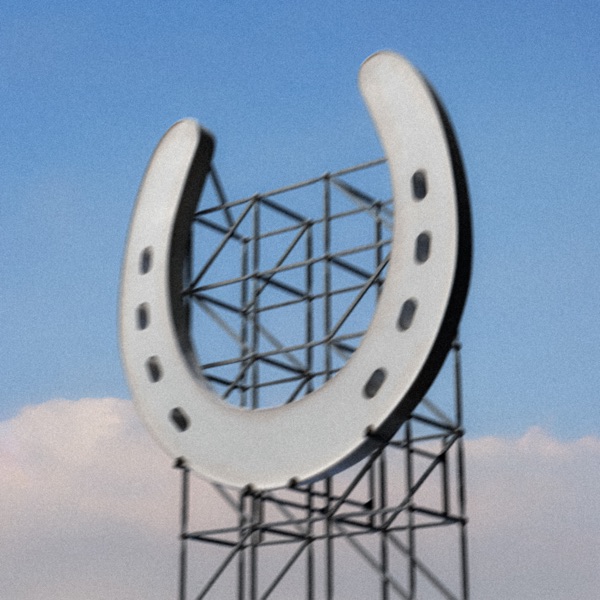
“When’s the last time you saw someone with a ski mask and a gun?” goes the nostalgic refrain on the joyful and kooky opener “Cops and robbers.” Hyperpop newcomer (kinda) April Harper Grey, known as Underscores, experiments with varieties of rock and pop on their arresting album, the whimsical, surreal, so-real-it-hurts, “Wallsocket.” This album is a cheeky patchwork of musical ideas, random quips, and genuine commentary on gender and the issues that surround the construction. The concept is loosely based on the coming of age of three girls who come from a fictional suburban town in Michigan, Wallsocket.
Emotionally, these songs range from solemn to sugar high. “Duhhhhhhhhhhhhhhhh” begins with a looped sample of a dozen audible ‘duh’s which primes the listener for goofs and gags, but instead Underscores launches into a heartfelt ballad which grows then explodes similar to Evanescence’s hit “My Immortal” or other emo staples of the 2000s. My favorite part of the album comes after the climax of this song when a harmonica unexpectedly but tastefully chimes in with a lament to signal an end to the tale. “Johnny Johnny Johnny” is a haunting, cautionary tale of falling for someone for the wrong reasons, set to a schoolyard chant against a Fountains of Wayne type beat. The further the song plays, the situations become more and more cringe-worthy. The music is equal to this. It sounds possessed, obsessed, and manic. The singer commits fully and the production shines when effects are called for. Additionally, the harmonies Gray creates are surprisingly tasty for a genre where musicality is not the focus, but it is a satisfying cherry on the top. Sometimes, heavy material is offset by humor or post-production effects. In the song, “Old-Money Bitch,” one of the characters mocks the aforementioned OMB by jeering that their parents had a “seven figure wedding and divorce” while exploring themes of jealousy, greed, and capitalism. It’s rip-roaring fun.
The guests all make meaningful contributions from the sour moans of Jane Remover on the surreal “Uncanny long arms”, the teenage angst channeled by henhouse! on “Geez Louise”, or Gabby Start’s spoken word verse, reminiscent of the band, “The Rapture” on “Locals (Girls Like Us)”. Each blend seamlessly into the vibe of the song and star in their own ways without overshadowing or being overshadowed by the main act.
For me, the appeal is in the quality of the songwriting and the range of emotions across the album. “Horror Movie Soundtrack” is plodding and ominous and it paints a dark picture of OMB’s numbness to her inherited life and her despair when confronted with it. Since this track immediately precedes “Old Money Bitch,” it not only enhances the contrast, but also adds an extra layer of meaning. I like the creativity, the off-the-wall aspects, the attitude, the harmonic content, and the catchiness. It’s not for everybody, but if its in your zone, it’s quite the ride.
3. Deerhoof – Miracle-Level – Angular • Sweet ‘n’ Sour • Rock
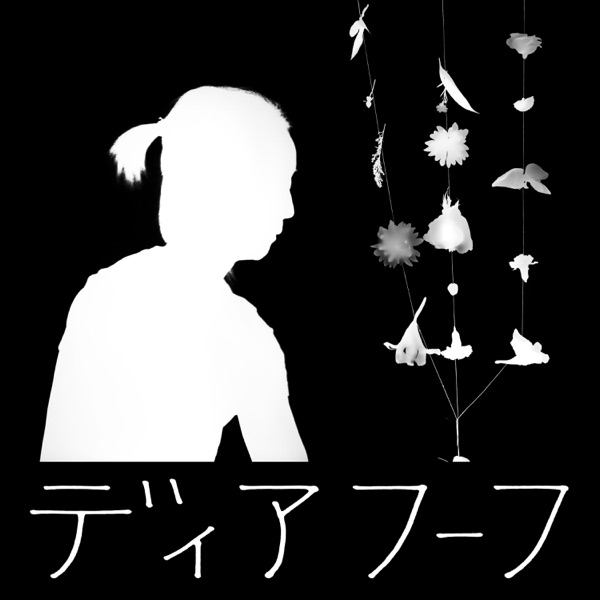
Deerhoof has been making records since at least 1997 and it is on my list to take a deep dive through their back catalog. From what I’ve heard since 2020 (see my 2020 and 2021 lists), they make subversive, creative, oddball rock music which is unlike anything I’ve heard before. This year’s “Miracle-Level” is my favorite of what I’ve heard from them, in short because of the cheerful, blunt, and expected choices found in every corner of the album.
The best example of this is the first chord of the first verse of “Everybody, Marvel.” The song starts with a dissonant guitar strumming, leading to a riff which you expect to resolve at the terminus. It DOES resolve – the bass starts the verse on the tonic, the vocal melody implies a major tonic, the guitar even plays most of the notes in the major tonic – but the guitar insists on adding a flat 2 on top of the major chord, which subverts the resolution into a hyper-dissonant alarm. Often, dissonance is used to create distance between two tonal centers or home bases, but here Deerhoof uses dissonance to deny the listener of a home base in the first place. The energy is later diffused and the incessant marching of the band continues, but this device is emblematic of the places Deerhoof is willing to do that other rock bands aren’t.
Miracle-Level is full of energy and surprises. Guitars work off each other like circular saws, creating sparks and chaos. Drummer Greg Saunier sounds sharper than ever, in fact, this is the first time Deerhoof has worked fully in the studio to create an entire album. I find this style suits them here, sounding clear but not too polished, just enough to translate their rough textures into a pleasurable listening experience. The songwriting is concise and fresh and no song overstays its welcome. I especially like the energetic hooks on “Phase Out All Remaining Non-Miracles by 2028,” “My Lovely Cat,” and the groovy “And the Moon Laughs.” Lead vocalist and bassist Satomi Matsuzaki often provides optimistic harmonies but occasionally Greg will add his touches. The lyrics are all in Japanese, but when translated to English they are hardly coherent, apparently, which is consistent with previous releases in English. The biggest takeaways from this album are the raucous optimism, the creative licks, and the bold choices that others may consider unchoosable.
2. Blake Mills – Jelly Road – Oblique • Western • Rock
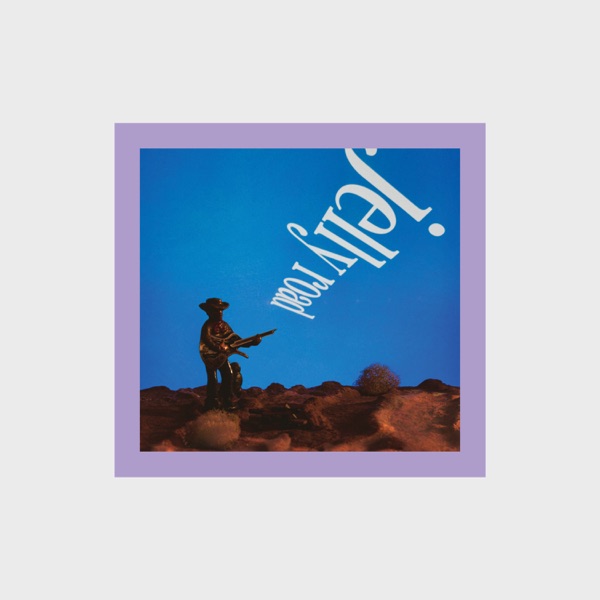
Blake Mills makes thoughtful, calm, contemplative music. Jelly Road is his latest in the string of projects he’s worked on this decade, and this time he is working with the help of co-writer Chris Weisman who worked with Mills on songs for the movie “Daisy Jones and the Six.” The name Jelly Road evokes a sense of adventure and wonderment, as if going to a place that only exists hypothetically. The opener “Suchlike Horses” sounds like a portal is opening up from Mills’ guitar to this new wonderland. This land is not altogether foreign, in fact, many tunes resemble sounds of the American West like the horse-trot percussion on the steady “Unsingable.” There is a groundedness like the plucked guitars on “Wendy Melvoin” which transition seamlessly out of “Unsingable” or Blake’s hushed vocals on “There Is No Now.” All of the sounds on Jelly Road feel physically close to the listener. The bass notes are resonant and live around you. All of the instruments are mixed with remarkable clarity. These are campfire songs for fans of folk music with progressive rock tastes or fans of jazz music with indie folk tastes. “The Light Is Long” features expressive, fluttering wind machine playing from the brilliant Sam Gendel. “Breakthrough Moon” includes organs and keys that reference blues and classic rock. What shines about Mills’ records are the details and embellishments that add color, contrast, and texture. No other artist I’ve heard is able to create so many breathtaking moments with this level of skill and design.
In contrast to the grounded nature of the tunes, Mills never keeps anything static. Whether it is putting an extra beat in the bar, adding some sound effect from an unidentifiable source, or playing a guitar lick with notes tastefully out of the chord or key, there is never more than a moment without a musical morsel to suck on. Otherwise, many of these tunes might be considered straightforward. Take “Press My Luck” which features one note for most of the melody and a simple progression. The guitar solo mostly sticks to it but adds bouts of chromaticism and certainly adds a gritty texture.
“A Fez” is so amazingly sweet and comfortable but adorned with notes of melancholy or mystery, like when you are remembering an old friend, but not just the nice parts. “Without an Ending” questions the value of knowing what’s coming next or the concept of finality in general. It pairs this question with a jam on a specific dominant chord which always sounds resolved and unresolved simultaneously. Jelly Road is a quiet companion which doesn’t brandish as much a smile as a knowing look.
1. Sampha – Lahai – Percussive • Delicate • Electronic (Pop)
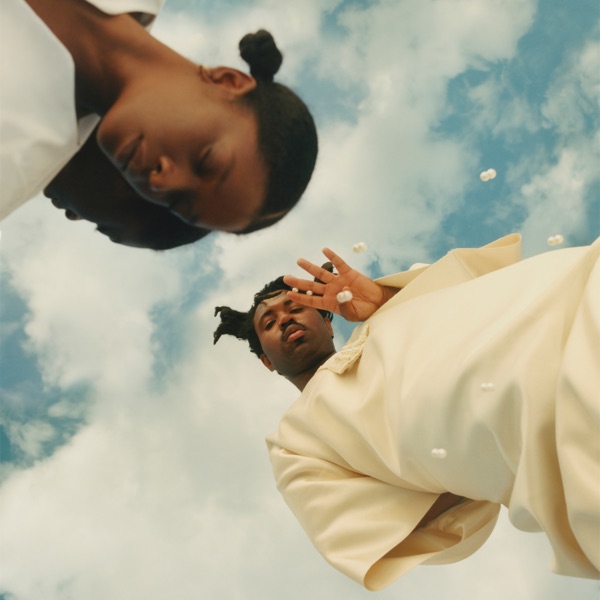
My favorite album this year is Lahai from singer, producer, and keyboardist, London’s own, Sampha Lahai Sisay. It’s easy to identify Sampha’s signature voice which retains his accent and sounds like no one else. He has done collaborations with artists from a range of genres in contemporary music from Drake to Solange. I discovered his music in college listening to electronic music producer SBTRKT’s self-titled (2011) upon which Sampha is prominently featured. Some of these collabs are lauded as Sampha’s best work, but his solo work shouldn’t be overlooked. In 2017, he won the Mercury Prize for his last album, the beautiful, melancholy “Process” which blends pop, electronic, jazz, and hip-hop influences to create a tragic and precious singer-songwriter album. Six and a half years later without any releases under his own name, Sampha finally pulls back the curtain again to reveal another personal record in Lahai. The cover looks up at the sky showing Sampha against a backdrop of clouds, or is it actually Sampha examining his own reflection in the water? The white beads seem suspended in time and a woman dressed in white appears, dreaming. Lahai examines themes of freedom, connection, love, and being present while soaring across the sky as a bird might.
“Stereo Color Cloud” opens with rapid twinkling of pianos and a spoken mantra of intrusive thoughts from a subconscious or a spirit on every other beat:
I wish you, could, time
Time, missile, back, forward
I miss you, time, misuse
Time flies, life issues
Sampha enters with a strong voice and a restrained bass line while the percussion grows. Finally, his chosen piano enters sounding like chimes or gongs, filling in the missing colors that were only hinted at by the bass. You can then hear a really innovative use of a flat-five major chord which is a half step below the traditional dominant major. It is at once a sharp change in tonal center while also using a familiar pentatonic scale to nullify the dissonance before it clicks back into place. This is all guided through the clouds with a UK garage inspired drum machine pattern which is always pushing forward and forward. It’s a gorgeous start to an inspired album.
Throughout the album, notice the creative and prominent uses of rhythm. Like many improvised jazz solos, rhythm is primary and pitch is secondary. On “Spirit 2.0,” Yussef Dayes’ highly-syncopated drumming style leads the way and Sampha’s refrain is stark and catchy. There is plenty of space to breathe, lots of open sky to fly around in. “Dancing Circles” is constantly visited by a tick tock of the piano and Sampha’s flow reminds me of Little Simz.
Some of these tunes are stand-alone hits. One of these is “Suspended,” an energetic song about the support he’s felt from women throughout his life. The lift in the refrain is quite dramatic and showcases a harmony in perfect fifths. The mantra returns.
Time issue, time travel
Back, forward, back with you
Time issue, I miss you
Life, issues, time
Sampha is clearly deep within his own thoughts and plotting the nature of time itself. He takes a moment on “Satellite Business” to reflect.
“Jonathan L. Seagull” continues the bird theme: “How high can a bird ever fly? Ever fly?” The looping guitar bit across the whole song is very freeing. The beginning with the group vocals reminds me of a musical number, but very much fits in with the sound of the rest of the album. The rhythm section that enters mid-way through the song might be the tastiest of the year. Next is the ballad, “Inclination Compass (Tenderness)” where Sampha’s voice really shines at its most vulnerable. It’s a plea for peace at home; the drums entering during the second chorus signifies a sense of normalcy and stability.
“Only” is a fantastic song, but “Can’t Go Back” is more in line with the sound of the rest of the album. The start features Sampha’s voice and series of asynchronous piano arpeggios. Then the verse starts and the kick drum quietly enters and you find that there was actually an order underneath the whole time. There is a weight to the arrangement and each repetition of “Can’t Go Back” shows the degree of torment or preoccupation in Sampha’s mind. “What If You Hypnotise Me” is a therapization of his previous thoughts and an examination of his dreams. Musically, I particularly like the progression where he uses inversions, going from a flat 7 major seventh chord to a natural 7 minor chord in second inversion to the tonic in second inversion. The first two chords having a foreign characteristic with the last being more familiar but not entirely settled. It is adventurous and mirrors the feeling of examining, or rather, over examining your thoughts. There are not many other voices on the album other than Sampha’s, but here he gives way to a rising R&B star Léa Sen (whose 2022 EP, “You Of Now Pt. 1,” I really enjoyed). The closer is the understated “Rose Tint,” whose fluttering pianos and tick tocking synths are hypnotic. Sonically, it is a slightly somber way to close the album, but the message itself is not necessarily blue.
Lahai shows that reaching into the past can yield many things – comfort, longing, regret, pain, confusion, paralysis – but itself is not a sin. Being present is important, but the goal is to connect to other people and to do that you have to know yourself as well. Overall, its a masterclass in rhythm and songwriting and in my opinion this is a significant improvement over the award-winning Process. It is cohesive, shimmery, glamorous, exciting, introspective, open, loving, and colorful. I love it with headphones and on speakers, in the car and in bed. It’s the kind of music I want to write in that it is innately beautiful, distinct, and thoughtful, and I hope you find the same enjoyment in it as I do.
End of List
I’m always looking for new recommendations, so share some in the comment section or let me know what you think about this list. I’m planning on writing a bit more frequently this year about albums I missed, albums I want to write more about, or reviews for albums that come out in 2024. If you want to be notified about my new posts, you should be able to put your email in below to follow my blog. Thanks for reading.
-Hoff
 Hoffblogs Music Blog About Music