This December, I wanted to do some more thorough reviews of some of my favorite albums of the year before I complete my annual list of my favorites. The first in this series is about an album that I keep coming back to again and again, even though it was released on February 9th of this year. I plan on doing a few of these before the ol’ list comes out, and you can subscribe for free below to get notified when I post. I hope these serve as early recommendations for your winter playlisting. Please enjoy.
Album Review
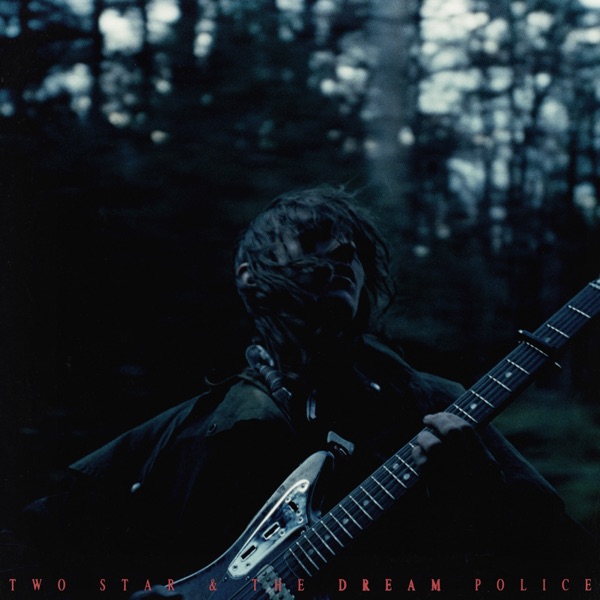
The album cover reveals more about the music inside than expected. Mk.gee (pronounced Mick-JEE, though I’ve also heard Mi-GEE) stands in the foreground of a dark wooded area, displayed in a teaspoon of dark blue twilight. His hair covers his face, hiding his emotions, or at least obfuscating them. It suggests a mysteriousness, a quietness; it presents a character who is instantly recognizable yet potentially unknowable.
As the album begins, the choice of color palette on the cover becomes obvious. There are these sudden chirps whose textures are muddled including Mk.gee’s own voice which is out in front but is always protected by effects and light vocal processing. It feels like there is always one more layer to peel away. This keeps the listener engaged and swimming through details to try to divinate the essence of this character and the music.
Though the textures are hard to pin down, they quickly become familiar. The first two musical references that spring to mind are Phil Collins and Frank Ocean, though more recent contemporaries like Omar Apollo and Dijon (with whom Mk.gee is a frequent collaborator) are probably more apt. The Phill Collins inspiration is prominent all over this thing, especially in the instrumentals: Lots of gated reverb, punchy synths and keyboards that call to the late 80’s, drum machines with yet more reverb, but most importantly, the space that is left for vocals. Collins was great at leaving room for his silky tenor to jump up front which made the recording sound intimate and clear. Mk.gee is considerate to leave that kind of space for himself, but he is no crooner like Collins. He has a solid voice, but it isn’t a stable tone and lacks polish. His strength is his dynamism and vulnerability. More specifically, he has the ability to captivate by switching from singing sweet but almost disaffected melodies to passionate, crackly screams within a phrase or two. Both modes show him baring himself to the audience, but only on his terms.
The arrangements on this album are brilliant because they innovate on a simple premise. Most songs feature the use of IV, V, and I, the most common chords in popular music, but nothing about this record is plug and play. On “Breakthespell,” he rocks between IV and I with deep electric guitar tones. Where there is an opportunity to do too much, instead Mk.gee expertly weaves a little riff or a fill that seamlessly becomes part of the essential fabric of the tune. The effect makes the perfect slow dance number, which can also be said for the gorgeous, “I Want,” that features heavenly background harmonies after an explosive bridge. The motif on the refrain on “Are You Looking Up” is simple yet interesting and extremely comforting. You would like for it not to stop, but it refuses to overstay its welcome. Nine of twelve tracks end well short of three minutes, ensuring that none of the ideas go stale and that the whole experience is digestible. Since each song uses the same colors and similar instrumentation, this brevity is especially appreciated.
As the cover suggests, guitar is an essential element in this alchemy. Mk.gee is an accomplished guitarist who uses his gift in tasteful ways and rarely lets his fingers fly. The guitars sound moody and brooding with clever uses of articulation. “Candy” is a great showcase of the range of guitar uses. Subtle clicks and short licks provide decoration to the vocal passages. There is a part in the guitar solo where the listener is caught off guard by the sheer skill of the artist, effortlessly shredding for just a moment. It lets the listener appreciate the amount of restraint being exhibited in service of the mood of the record. In that sense, the main strength of “Two Star” is its commitment to setting the mood and stretching all the way out in it. Each song fits without exception leading to a comprehensive, satisfying listen straight through. Though the references are clear, the result is original, engaging, and comforting. Perfect for an evening with a loved one, even if that loved one is yourself.
 Hoffblogs Music Blog About Music
One thought on “Mk.gee – Two Star and the Dream Police”